Our Community, Our Children
Our Children
Our setting supports children from a range of families across Basingstoke and the surrounding areas. Each child brings their own experiences, interests and strengths, shaped by their home life, community and early learning journey.
We recognise that no two families are the same, and we value the diversity of backgrounds, routines and experiences that children bring with them.
Our Local Area
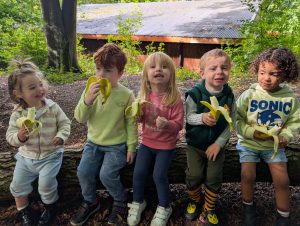
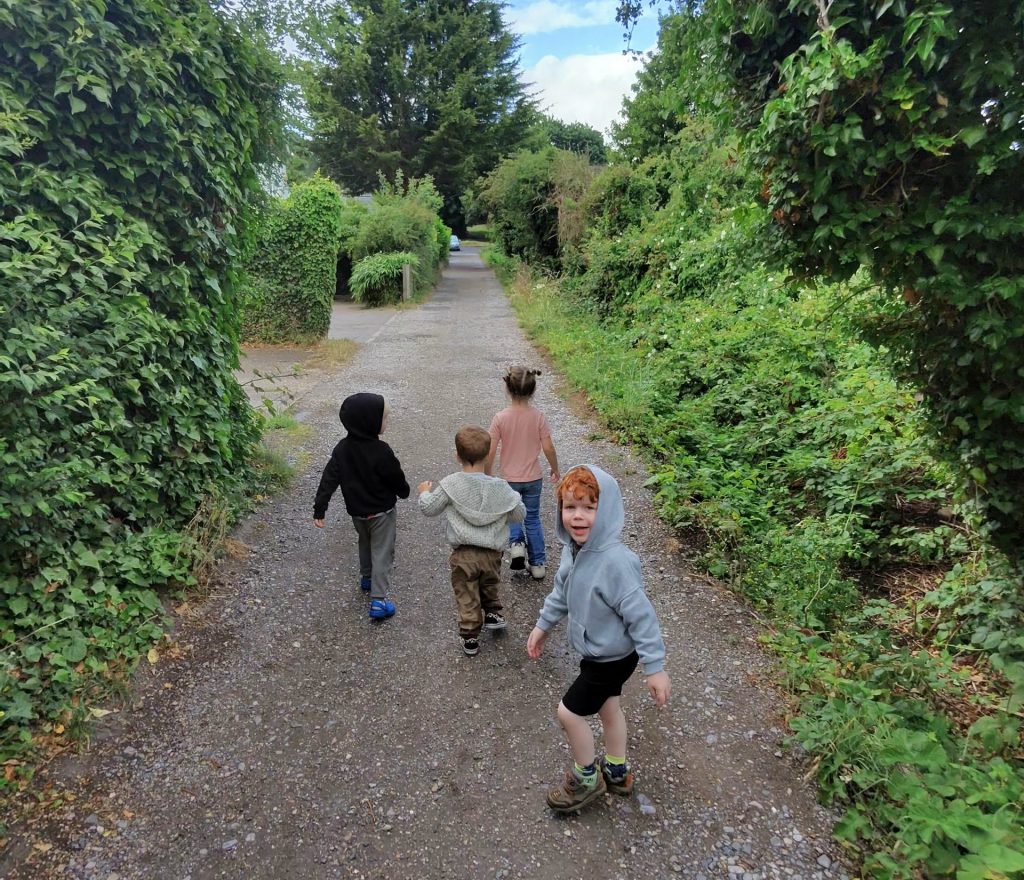
Basingstoke is a diverse town with a mix of residential neighbourhoods, green spaces, parks, libraries and community facilities. Families may live in areas with differing access to transport, services and outdoor spaces.
Our families are spread across several neighbourhoods within Basingstoke and Deane, each with its own character and community strengths.
Community Strengths
Our local area benefits from a range of community assets including parks, toddler groups, libraries, and children’s centres. These spaces provide valuable opportunities for social interaction, outdoor play and early learning experiences.
We actively make use of local resources and community spaces to support children’s development and sense of belonging.
Our Local Area
Basingstoke is a diverse town with a mix of residential neighbourhoods, green spaces, parks, libraries and community facilities. Families may live in areas with differing access to transport, services and outdoor spaces.
Our families are spread across several neighbourhoods within Basingstoke and Deane, each with its own character and community strengths.
Understanding Our Areas
To better understand the context in which our families live, we use publicly available Government data, including the English Indices of Deprivation. This helps us build an informed picture of the wider community, alongside our professional knowledge of the families we work with.
What is Deprivation Data?
✔️ What it measures:
The data comes from the English Indices of Deprivation 2025 — an official Government measure of relative deprivation for small neighbourhood areas (called Lower-layer Super Output Areas or LSOAs) in England. It combines multiple aspects of life such as:
Income
Employment
Education & skills
Health
Crime
Barriers to housing & services
Living environment
into a single relative ranking.
✔️ Important interpretation point:
The index shows relative deprivation — i.e. how deprived an area is compared to other areas in England. It doesn’t measure absolute poverty or the circumstances of every individual person.
Local Area’s Level of Deprivation
📍 Basingstoke and Deane 012B
This LSOA is ranked 11,807 out of 33,755 areas — meaning it is more deprived than most — about two-thirds of neighbourhoods in England are less deprived than this one.
Within the Basingstoke and Deane local authority, it is more deprived than about 86 % of neighbourhoods.
It’s most deprived relative to other areas in terms of crime.
Income Deprivation Affecting Children (IDACI) is around the middle compared with other neighbourhoods in England.
Make sure to include a clear reference to the government source and the specific LSOA code (e.g., E01022482) so it’s transparent where the figures came from.
What this means for our setting
The deprivation data provides helpful context about the communities our children come from. As an area-based measure, it highlights the potential challenges families may experience, rather than describing individual children or households.
Our local data shows that while some neighbourhoods sit around the middle range nationally, others are relatively more deprived in specific areas such as crime or access to services. This helps us understand that families may face differing pressures, including financial constraints, limited transport, or reduced access to wider opportunities.
We use this information to ensure our provision is inclusive, responsive and equitable. This includes being mindful of affordability, offering flexible support to families, and ensuring all children have access to rich learning experiences regardless of background.
Importantly, the data does not define a child’s ability, potential, or home life. Many families living in areas classed as more deprived have strong support networks and provide rich home learning environments. We therefore combine this data with our professional knowledge of each child and family to ensure support is tailored appropriately.
Deprivation Tool
Official Neighbourhood Deprivation Data
We use the Government’s English Indices of Deprivation to understand the local context of where our families live. This official tool shows the relative level of deprivation in neighbourhoods (called “Lower-layer Super Output Areas” or LSOAs) across England — comparing one area with thousands of others. It combines several aspects of life such as income, employment, education, health, crime, access to services and the living environment into an overall ranking.
The map and summary below show the latest data for Basingstoke and Deane 012B, the area that covers the postcode RG21 8UX. This tells us how our local neighbourhood compares with other parts of the country in terms of relative deprivation.
Please note: this data is about neighbourhoods as a whole — it does not describe the circumstances of individual families or children. It simply provides helpful context for understanding the diversity of lived experiences in our school community.
https://deprivation.communities.gov.uk
Understanding our community helps us to:
Offer inclusive, accessible learning experiences
Be mindful of affordability and accessibility
Provide consistent routines and emotional security
Build strong relationships with families
Ensure every child feels valued, supported and included
We use this information alongside ongoing observations, communication with families and our professional judgement to support each child effectively.
Privacy & Respect
All information is used sensitively and respectfully. Area-level data does not define individual families or children, and we do not make assumptions based on where a child lives. Our focus is always on the unique needs and strengths of each child.
Our community is made up of many different stories. By understanding the wider context of our area, we can ensure every child is supported, celebrated and given the best possible start.